Artist Erin Canady Prefers Materials Outside of Her Control
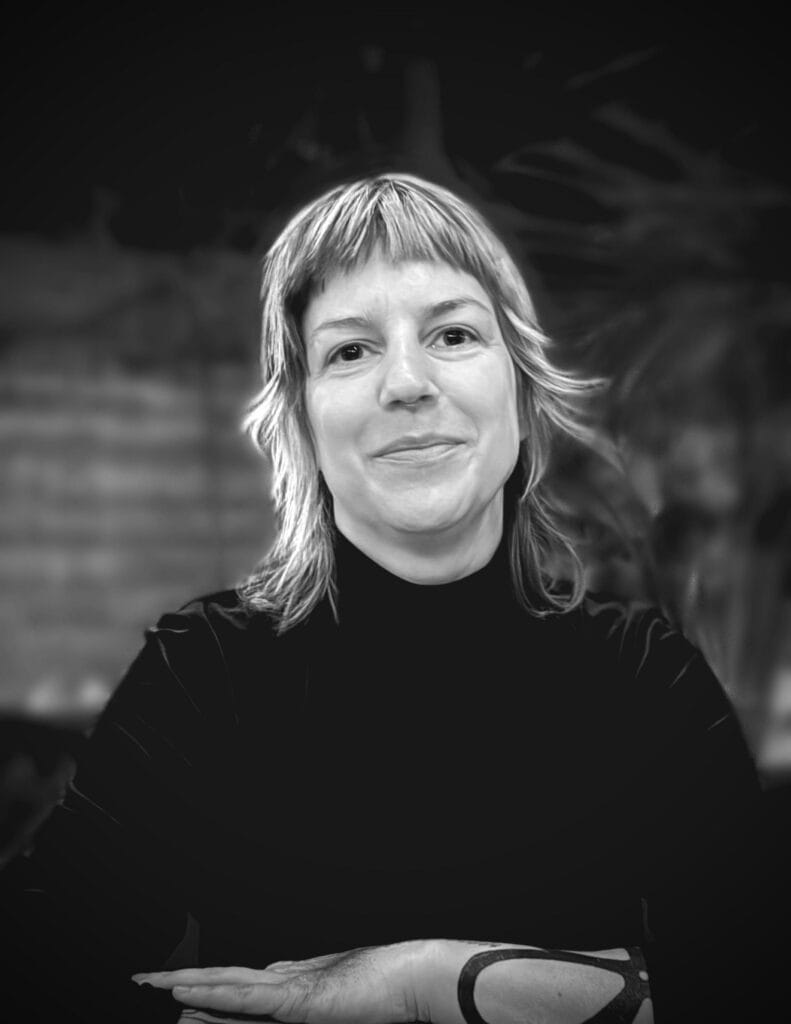
The Asheville-based visual artist captures the effects of time through works that include water and graphite.
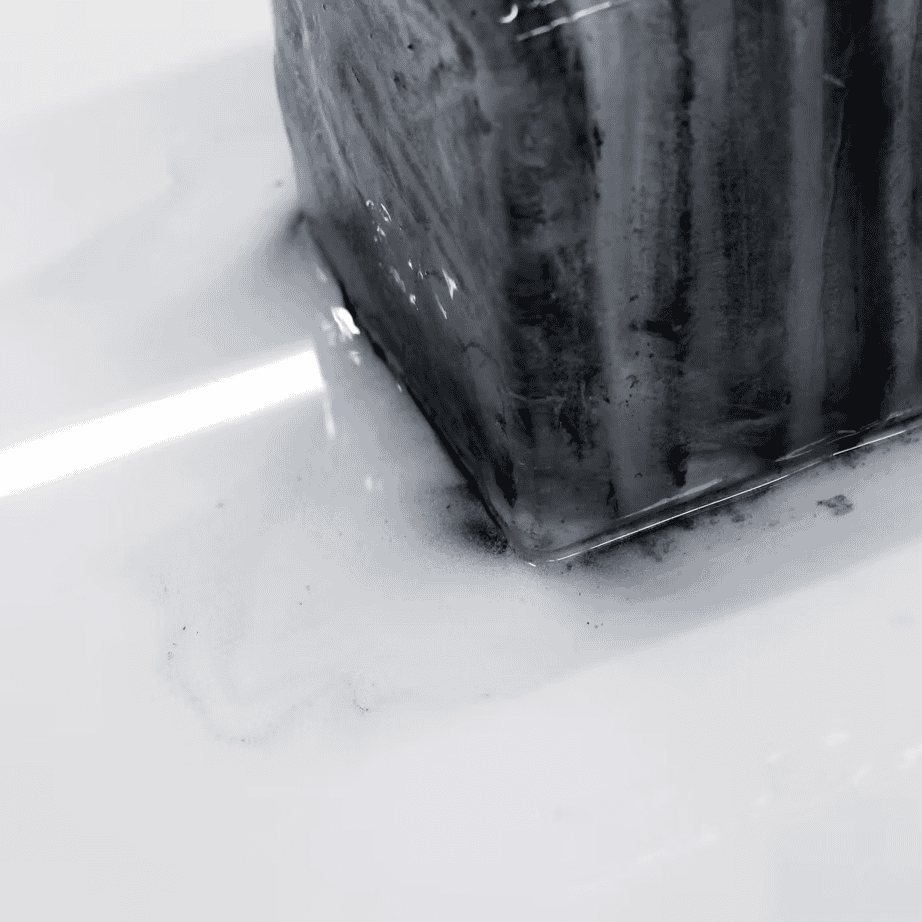
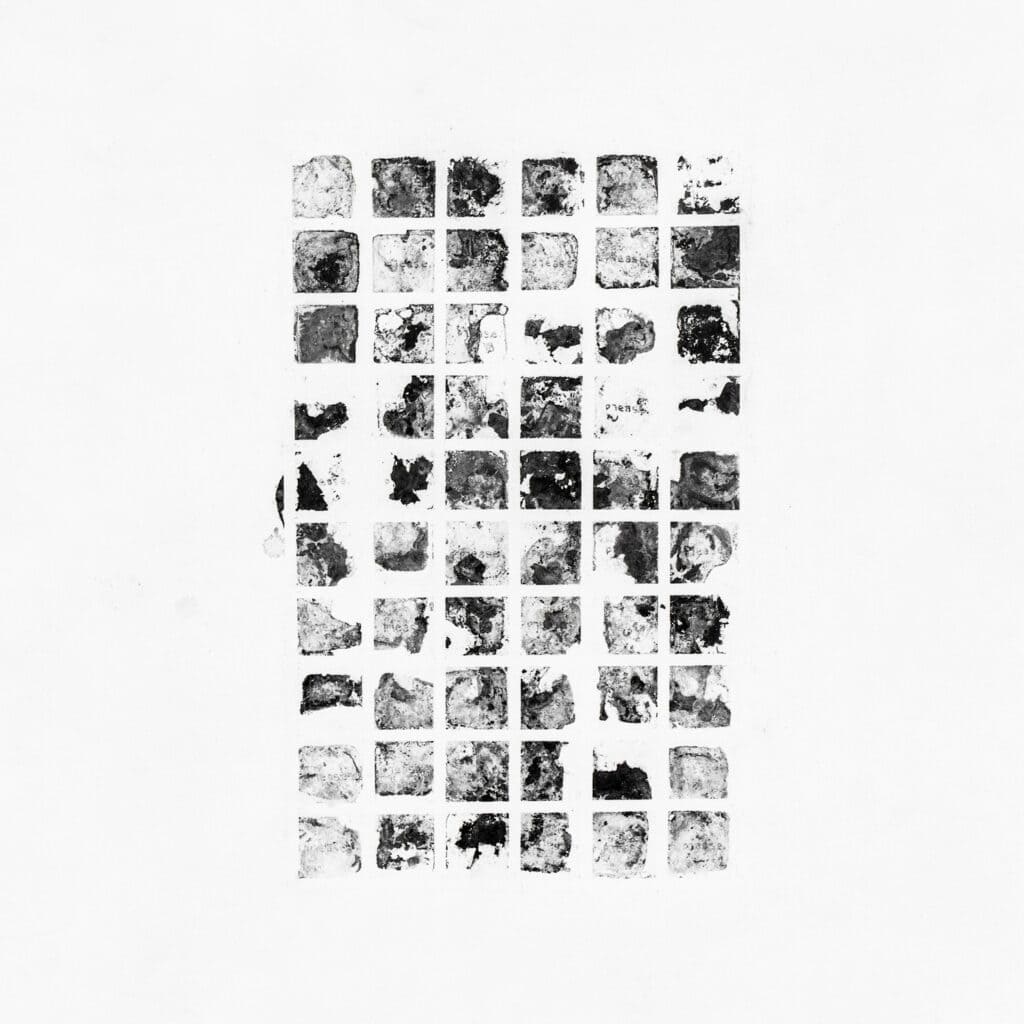
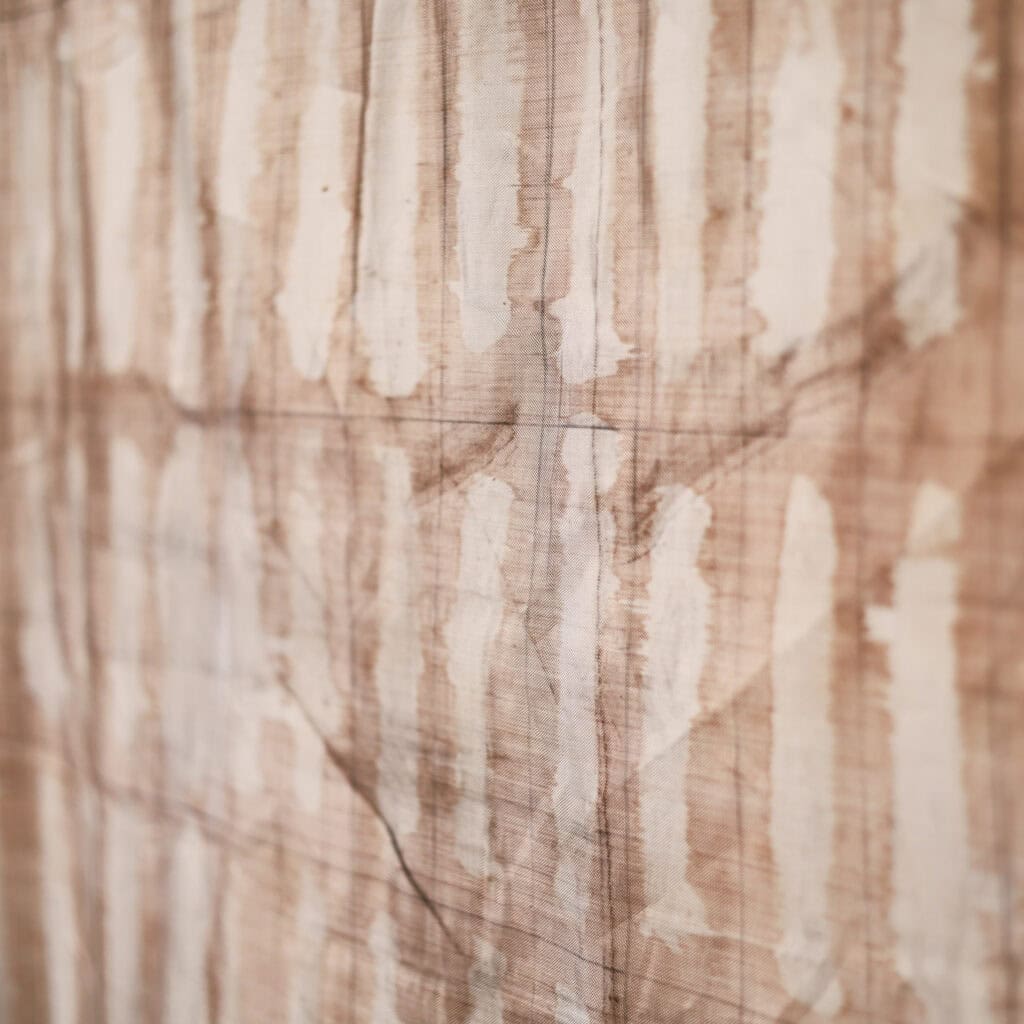
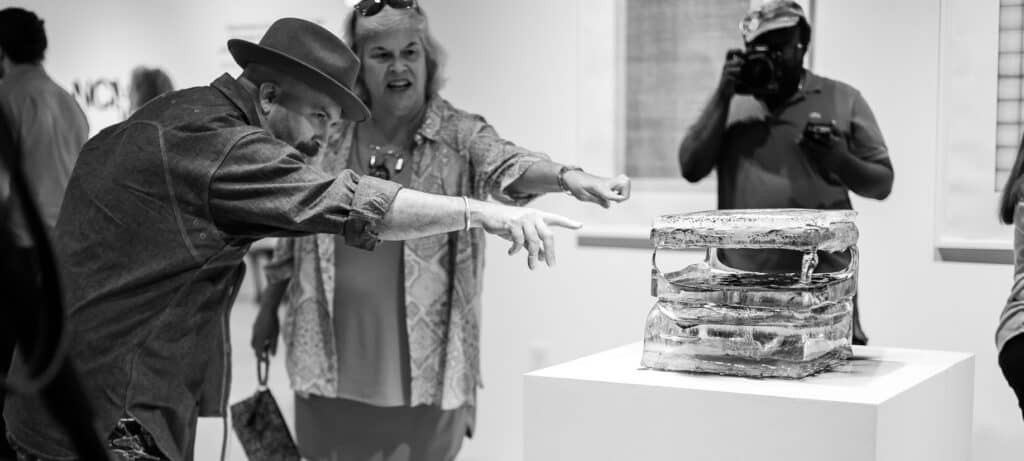
Erin Canady’s artistic practice centers on themes of temporality, meditation, ritual, and futility. She traces the visible effects of time on surfaces, bodies, and places. Canady’s work often brings together natural materials such as graphite, dirt, ice, and found fabrics, creating a reaction and releasing the materials to the passage of time. Her Temporary Objects are created by setting powdered graphite in layers of ice, where the water moves slowly across space, redrawing what it touches.
In 2008, Canady left the United States and traveled to Bangkok, Thailand, to study Buddhism at the Thammasat University. Canady often refers to the teachings of Buddhism, particularly Daoism, as driving forces in her works. Daoism focuses on simplicity, naturalness, and Wu-Wei (action through inaction), teaching followers to accept and flow with the natural order of the universe rather than struggle against it.
Find works by Canady in Process as Practice: Three Artists from Western NC, on view at NCMA Winston-Salem Downtown from September 17 until November 29, 2026.
IN WHAT WAYS DO YOUR ARTISTIC PRACTICE AND YOUR PERSONAL IDENTITY INFLUENCE EACH OTHER?
I don’t think I could separate the two. I have always been an observer, a slow processor; it’s a big part of my identity and also my work. When I observe the world around me, what strikes me the most is how urgent and fast paced it all seems to be, and how I desperately want it to be the opposite of that. But nobody can control the ebbs and flows of the world moving around them, and I try to hold that thought with me as I walk through my daily life.
I like to play with that lack of control in my art as well, through my materials and processes. I like to use materials that have a bit of a mind of their own, water and ice, for example. I can manipulate them and use them for a drawing, but ultimately they will melt and flow in a way that I have no say over, and I love that. I can be the catalyst for the idea, and I can set boundaries for what happens, but I can’t know exactly what the final piece will look like. And I think the visuals produced require slow observation from the viewer, which also reflects how I see my own identity.
WHAT ARE YOU LEARNING ABOUT YOURSELF THROUGH YOUR ARTISTIC PRACTICE?
Through my art practice, I am learning to appreciate the process just as much as the result (both in art making and in life). My process is my art and my art is my process, and I become more aware every day that I really can’t separate the two. Among other things, this helps me be in the moment more. It’s almost like a life-long meditation.
IF YOU FEEL STUCK CREATIVELY, WHAT DO YOU DO NEXT?
Doing anything that isn’t art related always helps me get unstuck. I get stuck when I am thinking about art too much or too deeply. My work is about the ways we move through life, so I have to move through life to feel inspired. I remember in grad school I would feel the most inspired when I was running because of how much it cleared my head. I have also felt extremely inspired when I am traveling because of the fresh perspective that brings. But even just daily life can be inspiring if I am in-the-moment enough. I hyper-focus when I am actually making art, but in order to get to that point I have to bring all of my other experiences to it.