Artist Leah Smith Explores Connections Between Nature, Material, and Human Thought
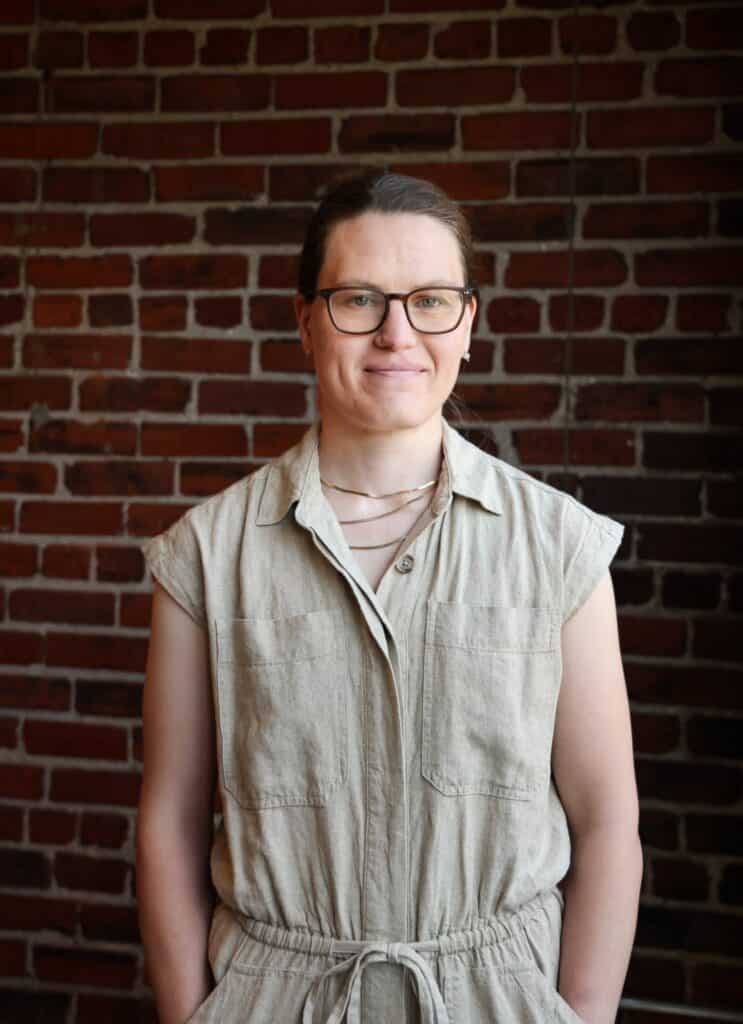
The Canton, NC-based artist approaches her work intuitively and without a singular message in mind.
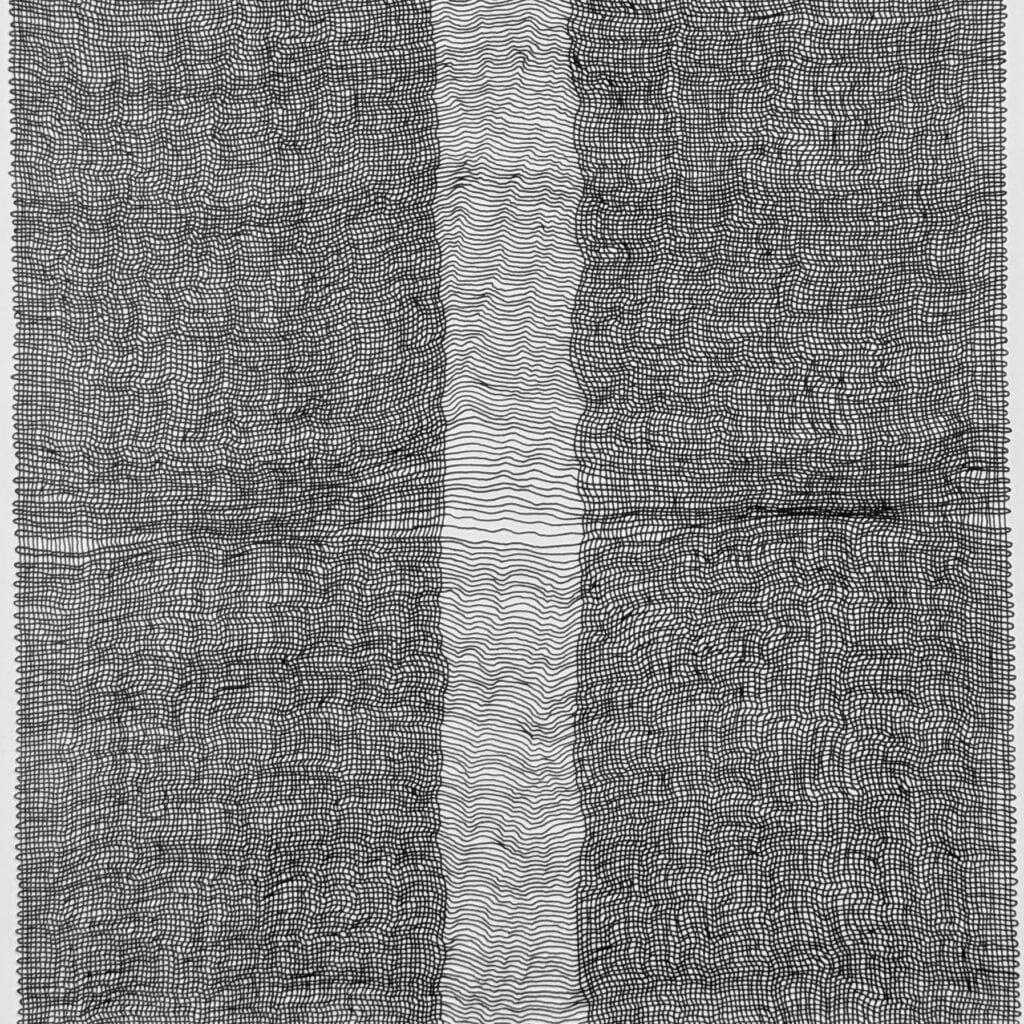
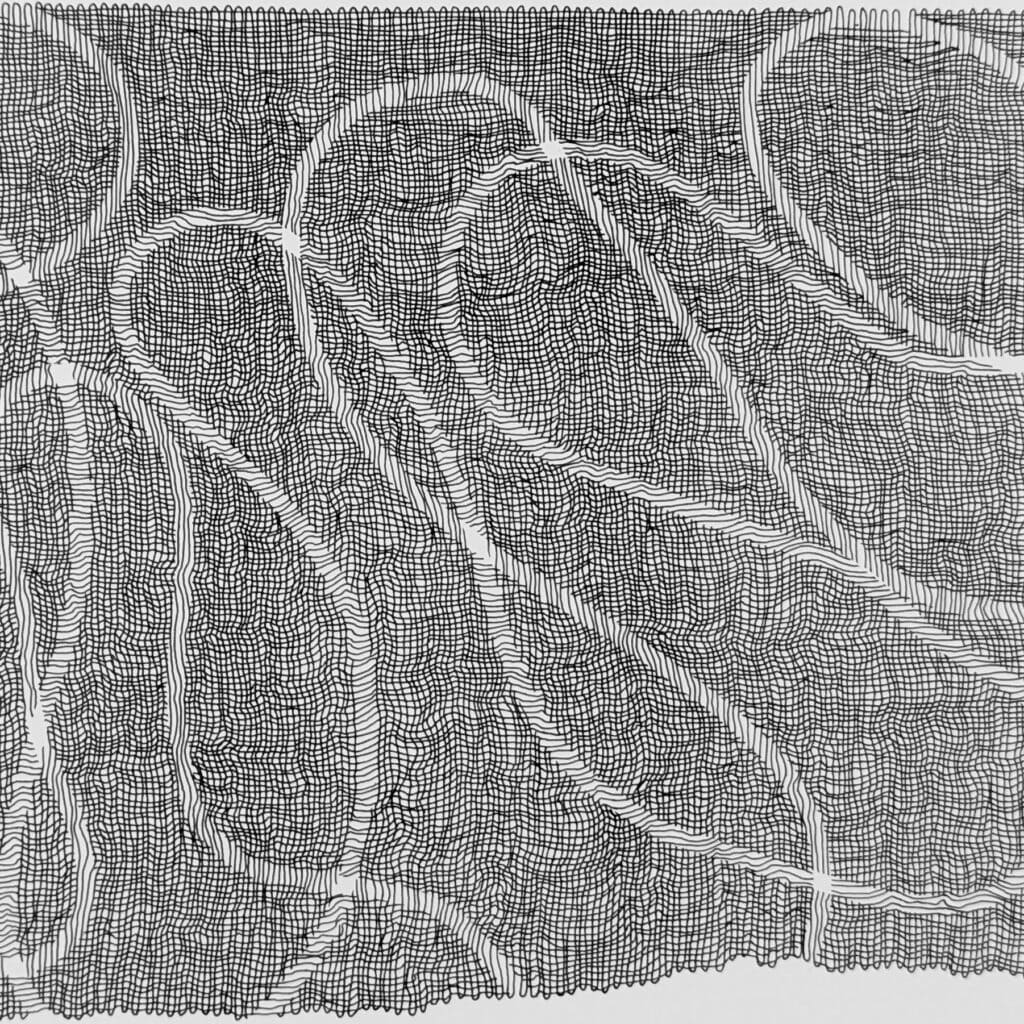
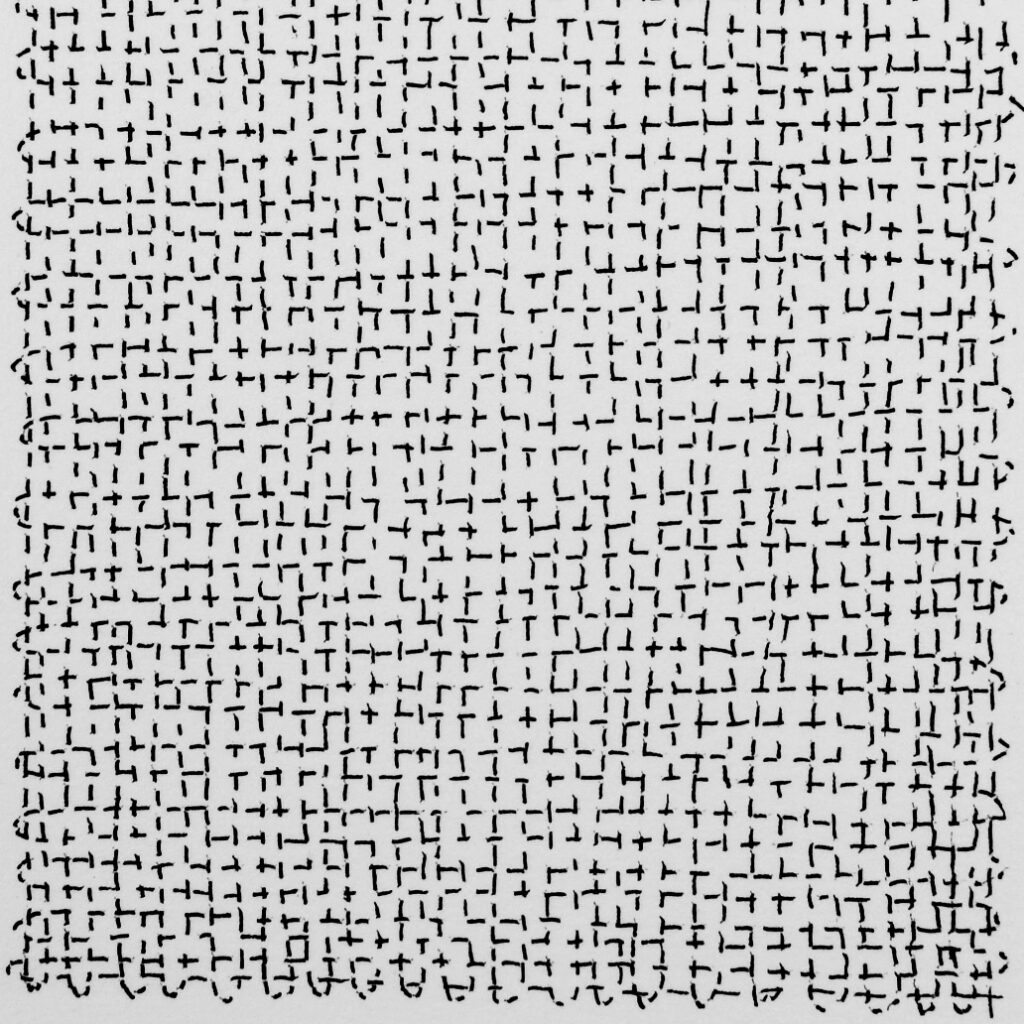
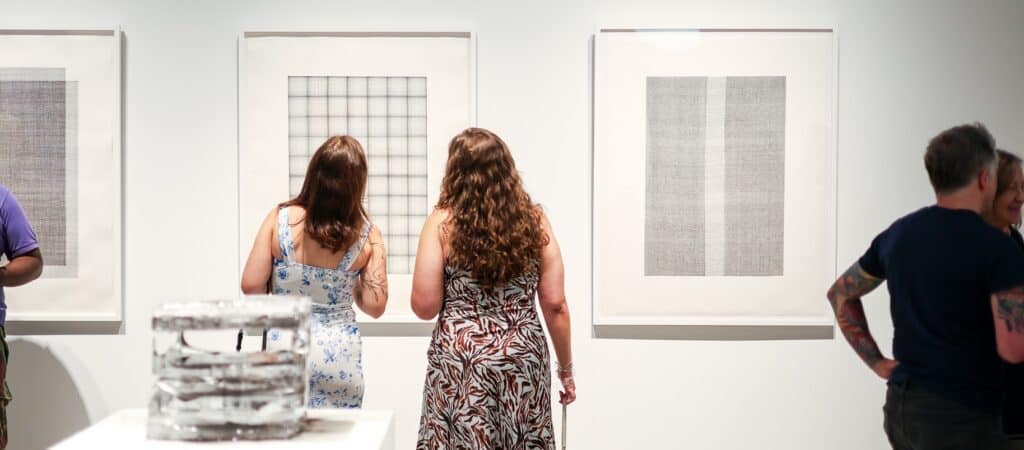
Leah Smith was born on the west coast, raised in Colorado, and is now based in western North Carolina. Her works incorporate techniques and practices that convey historical connections between the natural world, material, and human thought. Smith’s creative process is distinct, utilizing slow progression and celebrating the natural imperfections that she then relates to every part of nature.
Find drawn and woven works by Smith in Process as Practice: Three Artists from Western NC, on view at NCMA Winston-Salem Downtown from September 17 until November 29, 2026.
ARE THERE ANY PARTICULAR EXPERIENCES IN YOUR LIFE THAT HAVE INFLUENCED YOUR CURRENT WORK?
I grew up in the West, outside of Denver, Colorado, and I had a lot of early experiences of feeling small in a vast landscape, which impacted me deeply. For a few years, we lived in a suburban neighborhood where there was a ridge you could walk out to, and look out along the front range of the Rockies. You could see probably 100 miles. I’d hang out there for a while after school nearly every day, watching the light and the clouds. Even though I don’t generally work directly with the landscape as subject matter these days, my work is always looking for a place in the larger picture, a connection to something vast, and I’m still interested in evoking that sense of gradual unfolding that exists in nature.
WOOD, WOOL, COTTON, AND INK ALL REQUIRE MULTIPLE SENSES TO EXPERIENCE. HOW DO THESE MATERIALS AFFECT YOUR ATMOSPHERE AND STATE OF MIND WHEN CREATING?
I think I don’t do any process in my work that’s not tactile or haptically pleasing. That’s very important to me. Maybe to keep myself engaged, but I think the way the work feels when you’re making it somehow comes through when you look at it, even if the viewer isn’t touching it. That’s definitely a piece of my practice that’s really important; I feel like I’m more tactile and process-oriented than visual. Obviously, the visual is very important because these things eventually go on a wall and people are going to be looking at them, but when I’m composing or thinking of ideas for work, it’s more about curiosity about how something is going to work. I’m interested in the process of creating it.
YOU’VE DESCRIBED YOUR WORK AS A SLOW, TIME-CONSUMING PRACTICE, EVEN AS SOCIETY MOVES TOWARDS AI, AUTOMATION, AND INSTANT GRATIFICATION. DO YOU THINK OF YOUR PRACTICE AS A FORM OF QUIET PROTEST AGAINST THE MODERN DESIRE FOR EFFICIENCY?
I think I was making anti-AI art before AI was a thing! I think my work is an affirmation of labor, to some extent, and thinking about what we’re spending our time on and what we’re paying attention to. It’s an affirmation of the importance of being grounded in your body, and the body being a part of thinking and fundamental to experience. I guess, when you say it like that, it seems incredibly obvious, but I think it’s easy to forget, in our digital world where we live on screens and, increasingly, people are outsourcing their thinking to robots. We lose a part of humanity as we become more inundated with technology.
WHAT ARE YOU LEARNING ABOUT YOURSELF THROUGH YOUR ARTISTIC PRACTICE?
My practice teaches me to pay attention, and in turn shows me how I fit into the world and illuminates my curiosity. Sometimes it teaches me my limits — of patience, notably! The limit is high, but it’s there. Art really is a way of getting to know myself, as I suspect it is for all artists. I’m always uncovering what’s important and what I care about through the work itself, as well as through the work of maintaining a creative practice.