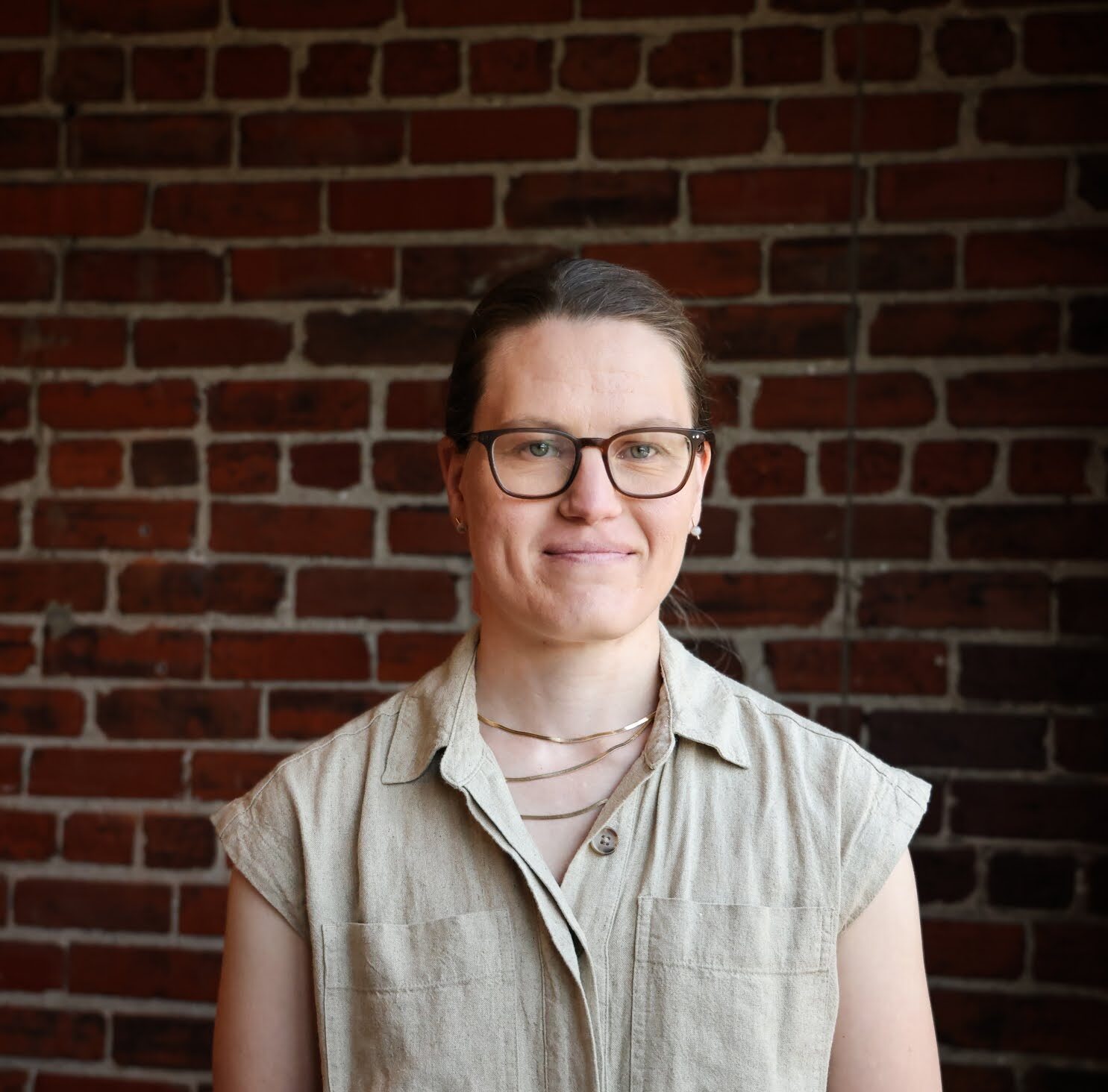
Artist Leah Smith Explores Connections Between Nature, Material, and Human Thought

Artist Leah Smith Explores Connections Between Nature, Material, and Human Thought
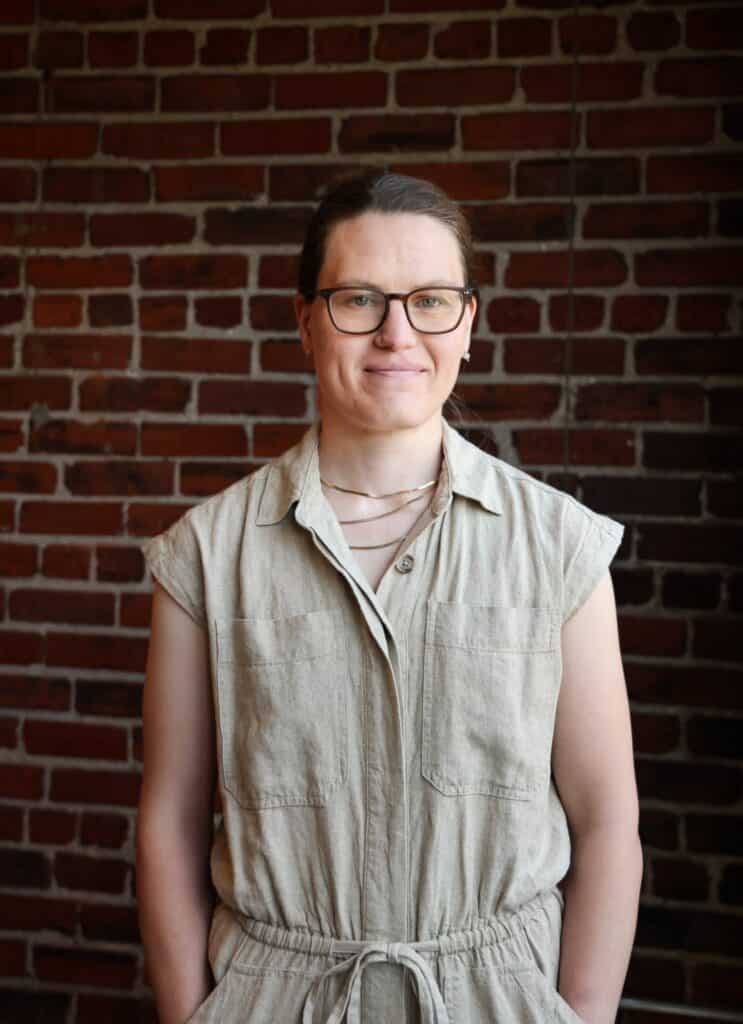
The Canton, NC-based artist approaches her work intuitively and without a singular message in mind.

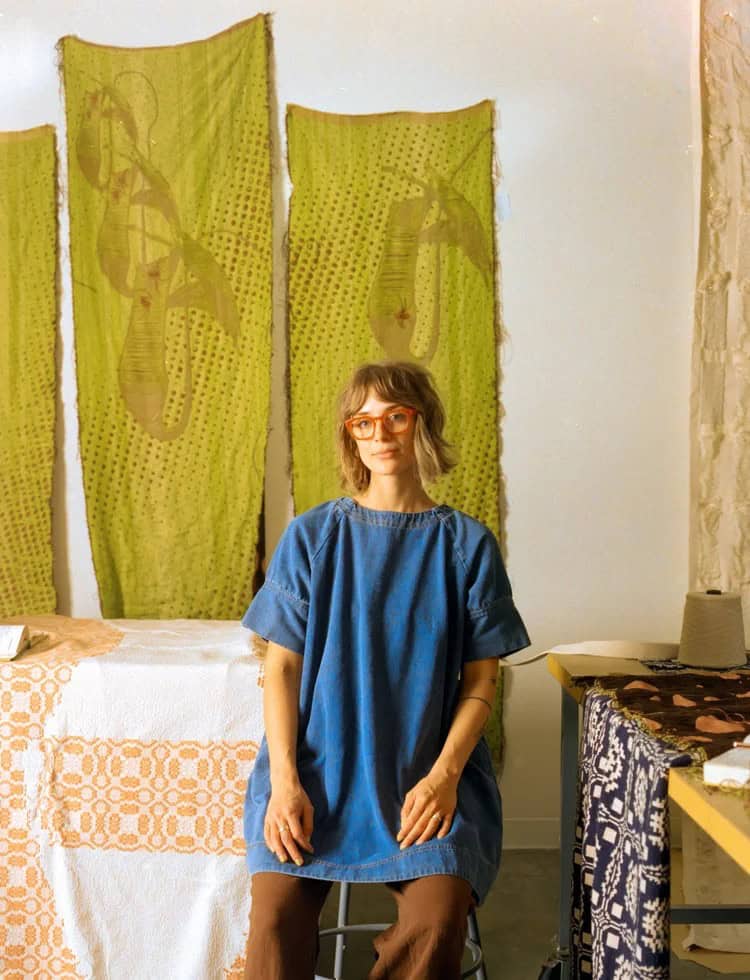
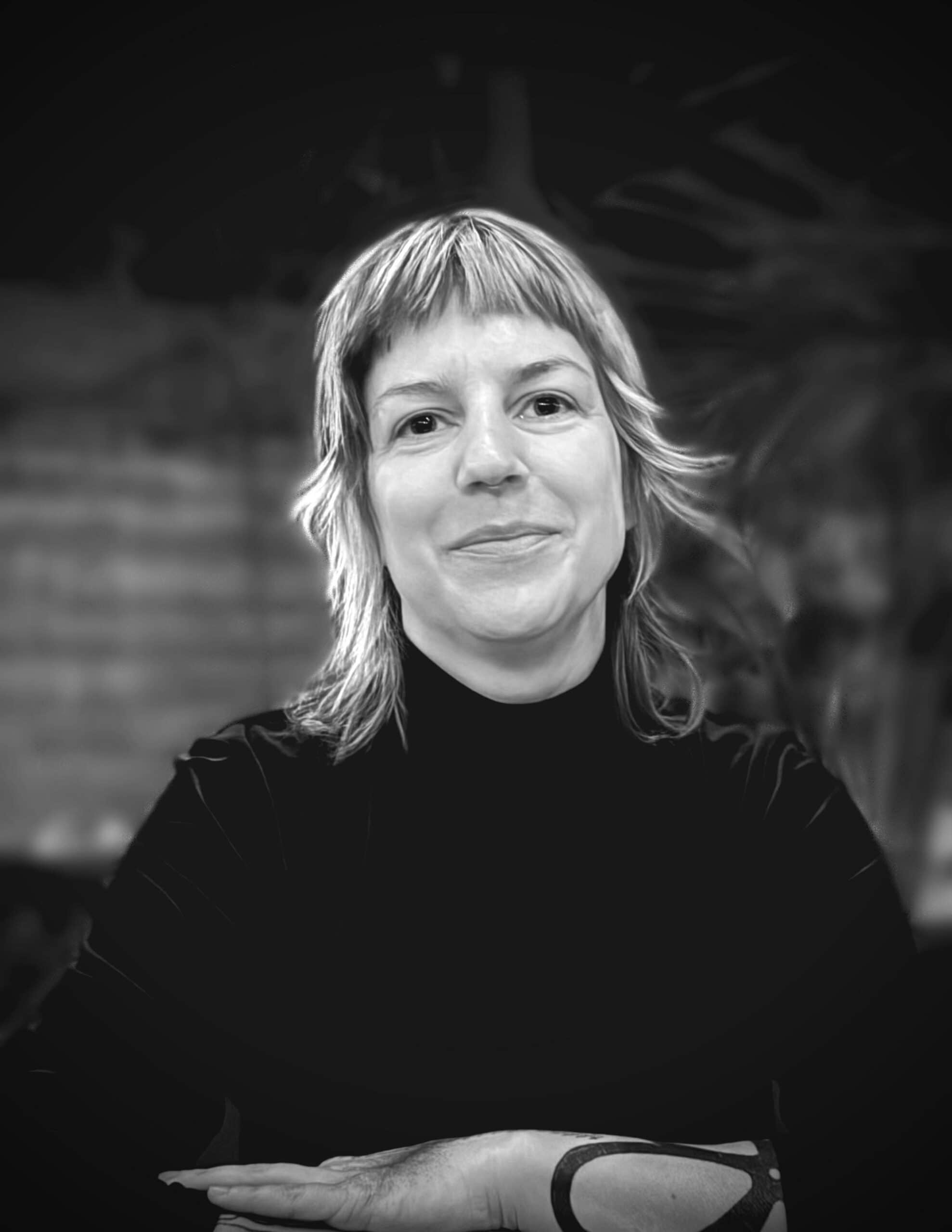
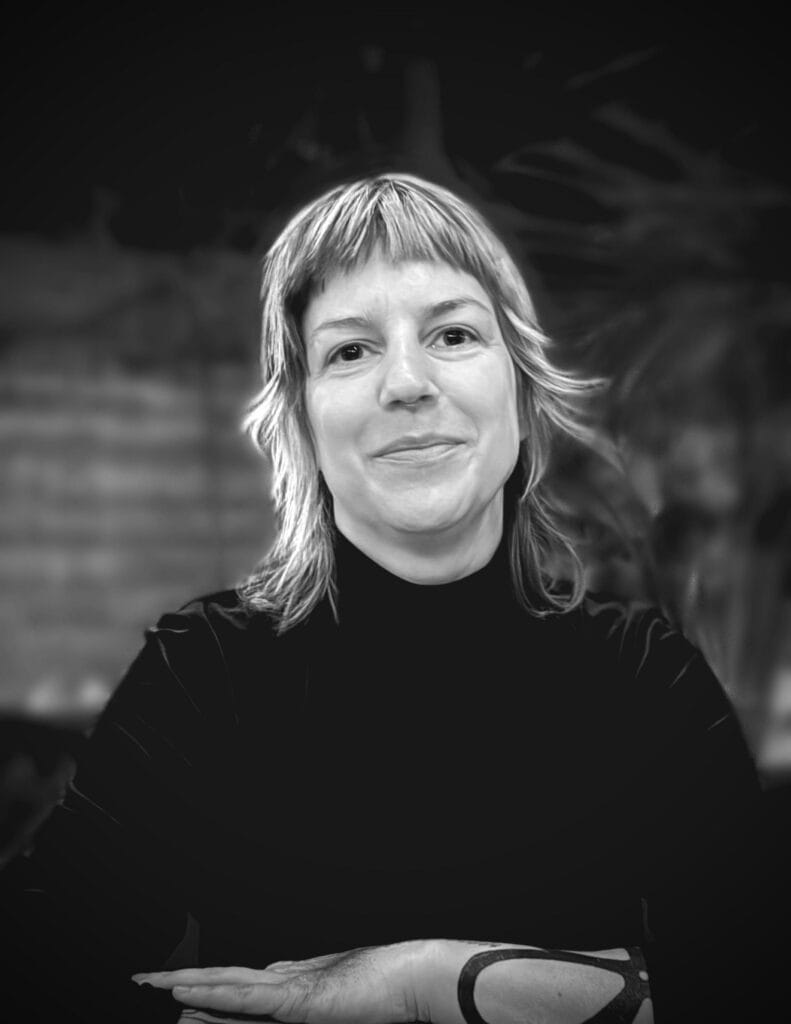
Leah Smith was born on the west coast, raised in Colorado, and is now based in western North Carolina. Her works incorporate techniques and practices that convey historical connections between the natural world, material, and human thought. Smith’s creative process is distinct, utilizing slow progression and celebrating the natural imperfections that she then relates to every part of nature.

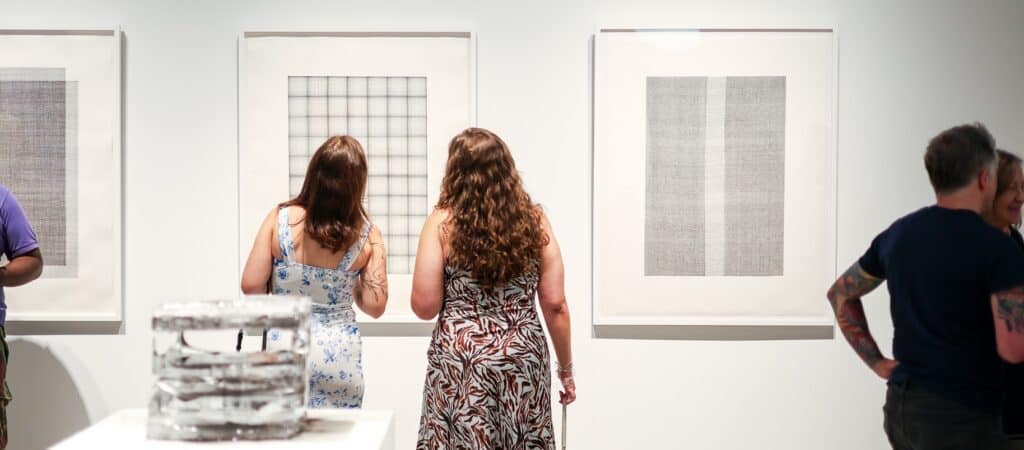
Find drawn and woven works by Smith in Process as Practice: Three Artists from Western NC, at NCMA Winston-Salem Downtown from September 17 until November 29, 2026.
ARE THERE ANY PARTICULAR EXPERIENCES IN YOUR LIFE THAT HAVE INFLUENCED YOUR CURRENT WORK?

I grew up in the West, outside of Denver, Colorado, and I had a lot of early experiences of feeling small in a vast landscape, which impacted me deeply. For a few years, we lived in a suburban neighborhood where there was a ridge you could walk out to, and look out along the front range of the Rockies. You could see probably 100 miles. I’d hang out there for a while after school nearly every day, watching the light and the clouds. Even though I don’t generally work directly with the landscape as subject matter these days, my work is always looking for a place in the larger picture, a connection to something vast, and I’m still interested in evoking that sense of gradual unfolding that exists in nature.

WOOD, WOOL, COTTON, AND INK ALL REQUIRE MULTIPLE SENSES TO EXPERIENCE. HOW DO THESE MATERIALS AFFECT YOUR ATMOSPHERE AND STATE OF MIND WHEN CREATING?

I think I don’t do any process in my work that’s not tactile or haptically pleasing. That’s very important to me. Maybe to keep myself engaged, but I think the way the work feels when you’re making it somehow comes through when you look at it, even if the viewer isn’t touching it. That’s definitely a piece of my practice that’s really important; I feel like I’m more tactile and process-oriented than visual. Obviously, the visual is very important because these things eventually go on a wall and people are going to be looking at them, but when I’m composing or thinking of ideas for work, it’s more about curiosity about how something is going to work. I’m interested in the process of creating it.

YOU’VE DESCRIBED YOUR WORK AS A SLOW, TIME-CONSUMING PRACTICE, EVEN AS SOCIETY MOVES TOWARDS AI, AUTOMATION, AND INSTANT GRATIFICATION. DO YOU THINK OF YOUR PRACTICE AS A FORM OF QUIET PROTEST AGAINST THE MODERN DESIRE FOR EFFICIENCY?

I think I was making anti-AI art before AI was a thing! I think my work is an affirmation of labor, to some extent, and thinking about what we’re spending our time on and what we’re paying attention to. It’s an affirmation of the importance of being grounded in your body, and the body being a part of thinking and fundamental to experience. I guess, when you say it like that, it seems incredibly obvious, but I think it’s easy to forget, in our digital world where we live on screens and, increasingly, people are outsourcing their thinking to robots. We lose a part of humanity as we become more inundated with technology.

WHAT ARE YOU LEARNING ABOUT YOURSELF THROUGH YOUR ARTISTIC PRACTICE?

My practice teaches me to pay attention, and in turn shows me how I fit into the world and illuminates my curiosity. Sometimes it teaches me my limits — of patience, notably! The limit is high, but it’s there. Art really is a way of getting to know myself, as I suspect it is for all artists. I’m always uncovering what’s important and what I care about through the work itself, as well as through the work of maintaining a creative practice.
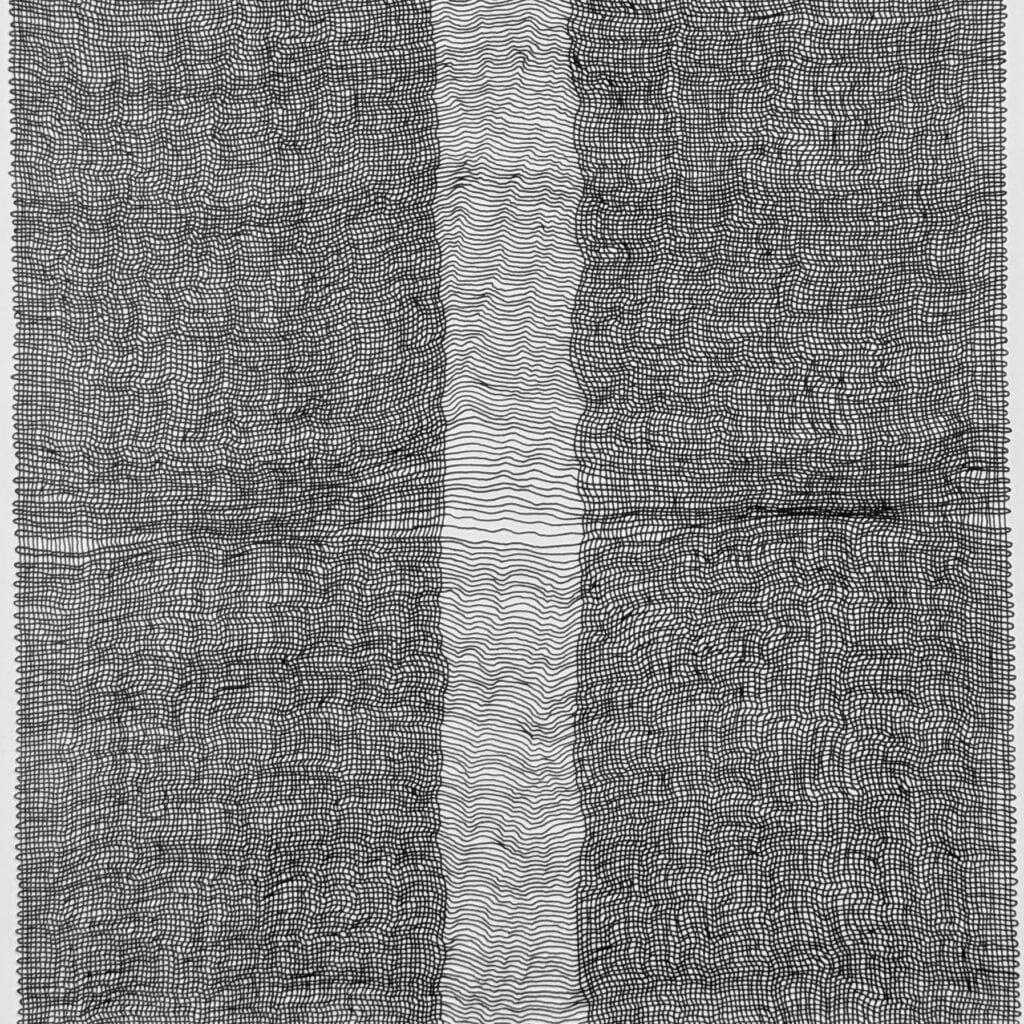
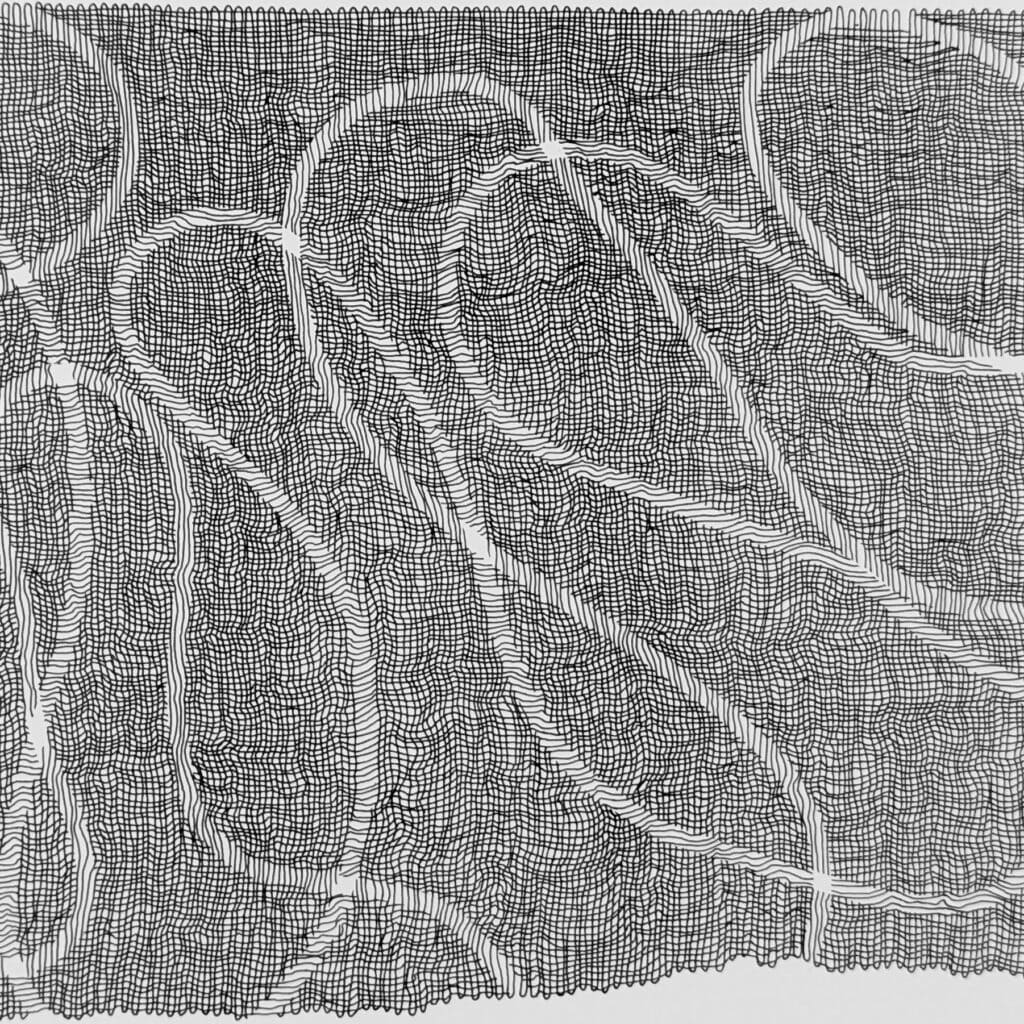
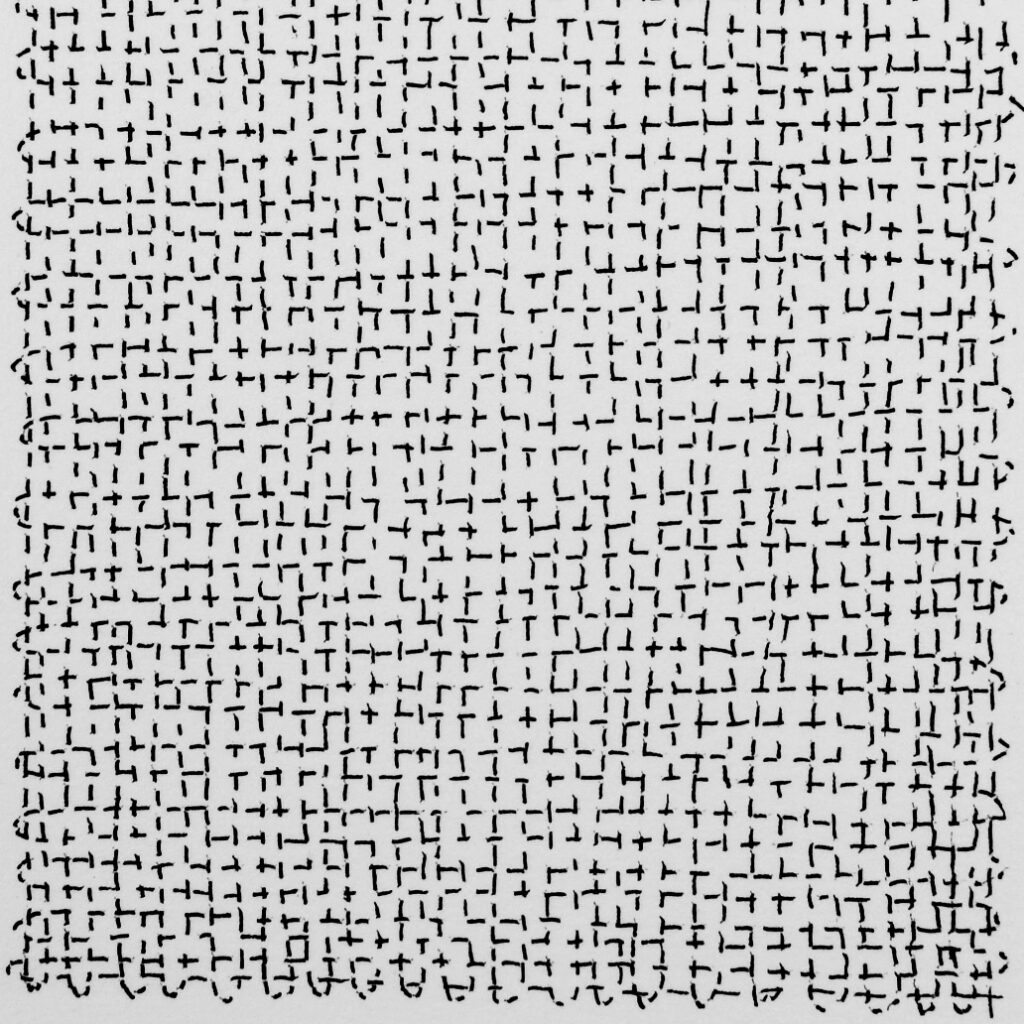
Leah Smith, Rift 5.5.2024, 2024, ink on paper. © Leah Smith. Courtesy of the artist.
Leah Smith, Tangle III 9.8.2024, 2024, ink on paper. © Leah Smith. Courtesy of the artist.
Leah Smith, Cipher 2.11.2025, 2025, ink on paper. © Leah Smith. Courtesy of the artist.

Related Exhibitions

Related Exhibitions

Kimberly English’s Creative Practice is Inspired by Ecological Processes and Southern Identity

Kimberly English’s Creative Practice is Inspired by Ecological Processes and Southern Identity

The Asheville-based artist brings together traditional Southern Appalachian weaving practices to explore individual and collective identities.

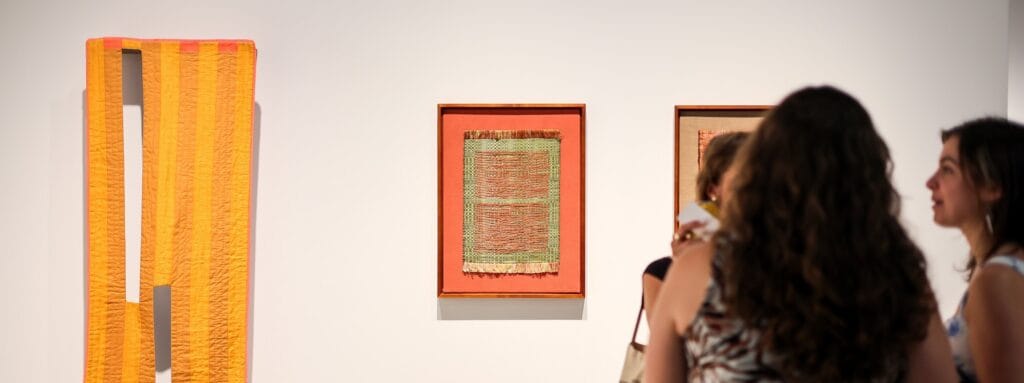
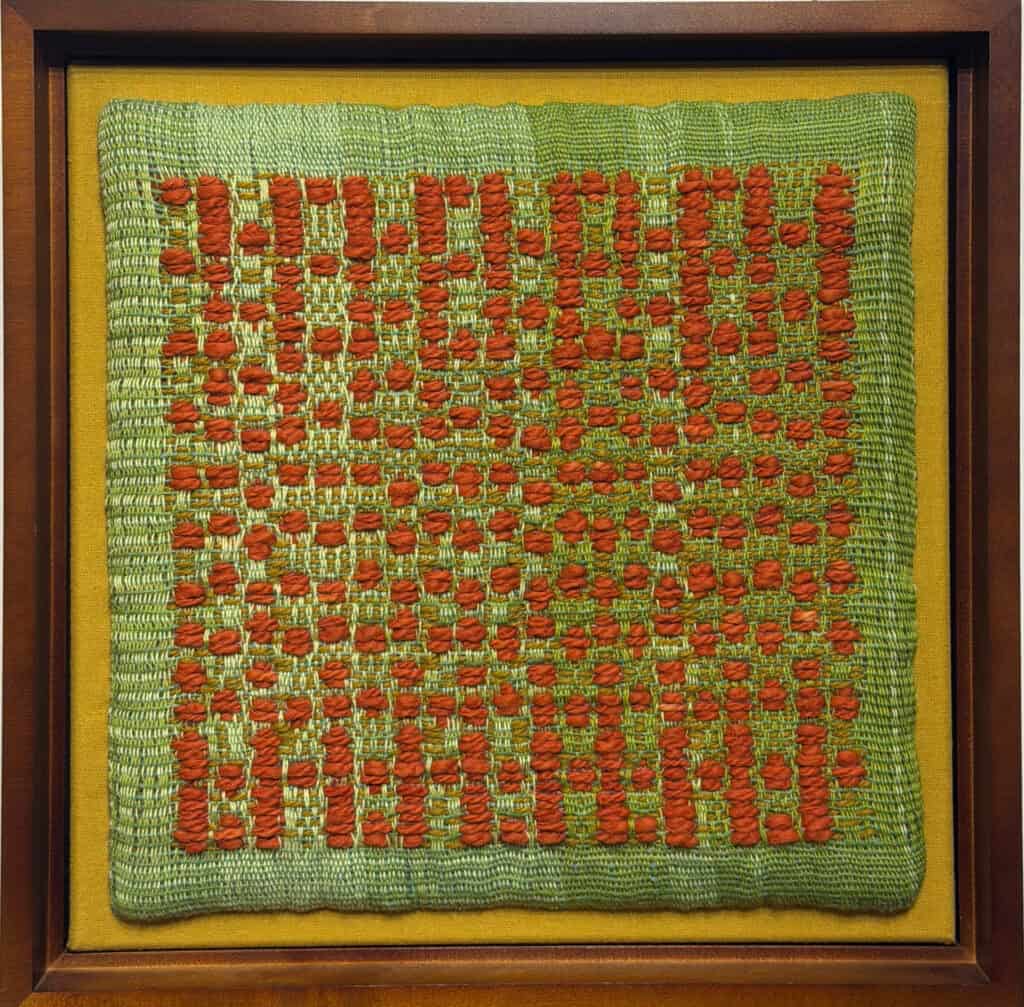
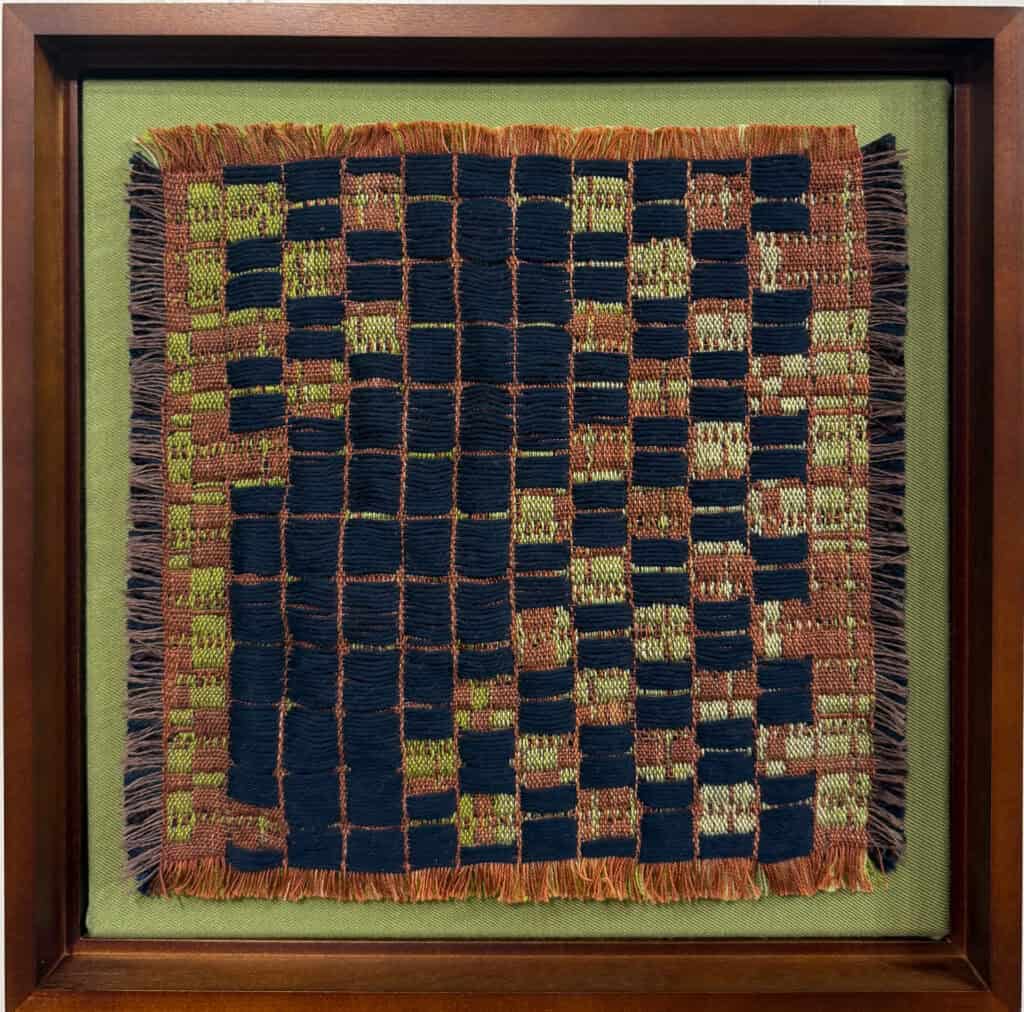
Kimberly English grew up in rural Georgia with craft hobbyist parents who inspired her exploration of material-based art. During her time at SCAD, English took a fiber class and found a format to think through thread. Now, her works reflect southern Appalachian traditions in weaving and textile work, particularly the overshot coverlet pattern marked by a colored wool weft that floats over a neutral linen or cotton warp, with designs passed down through generations.

Through her work, English explores narratives of the American South and globalized labor through identity, patriarchy, memory, and reconciliation. Her pieces reflect on the transitional space between past and present, weaving together personal and collective memory.

Find vibrant textile works by English in Process as Practice: Three Artists from Western NC at NCMA Winston-Salem Downtown from September 17 until November 29, 2026.

OUTSIDE OF ART, WHAT IS ESPECIALLY INSPIRING TO YOU?

I’m very inspired by ecological relationships these days. I’m learning so much through witnessing the seasons change in my garden and on my homestead. Some days its a garden spider’s web, or the way the morning glory wraps its vines so persistently — all small things that I try to stay awake to.

DO YOU USE TRADITIONAL, HAND-SPUN WOOL AND NATURAL DYES IN THIS EXHIBITION, OR DO YOU CONTRAST TRADITIONAL METHODS WITH MODERN, MANUFACTURED FIBERS?

During the first few years of my practice, I made decisions based on colors and yarn weight, but recently I’ve felt a little bit more convicted in the material that I’m using as a source material. I’ve figured out what I want to say and how I want it to look, and now I need to think a bit more about the ways I want to go about it. My work has shifted towards being more about the land and about extractive practices that are rooted in the South.

I live on a homestead in Canton with my partner and our sheep, honeybees, and chickens. It’s all made me think a little bit more about my conviction as an artist and how, as you create things, there are also things that are being destroyed. If the sheep shouldn’t feed near where chemical dyes are dumped, neither should the fish down the river. I think we have responsibilities as makers to consider how things will exist into the future and what it means when they start to decay — will it be toxic for that place?

I’ve started spinning my sheep’s wool, which could be my full-time job. It is so laborious but I really love it and it makes me feel connected to the sheep and to this place that we’re stewarding for them to live on. My color palettes are heavily inspired by nature. I have a lot of naturally-growing dye plants on my property, walnuts specifically, which feels like a little wink from the universe, as if to say “let’s just try this for a bit and see how it goes.”

SOUTHERN APPALACHIAN WEAVING HAS POWERFUL FEMINIST, ECONOMIC, AND HISTORICAL IMPLICATIONS. HOW DO YOU SEE YOUR CONTEMPORARY WORK HONORING OR CRITIQUING THAT SPECIFIC LINEAGE?

I think, being from the South, I really grew up with this very specific worldview being taught to me. The more I learned about overshot weaving, the more I’m realizing that the personal and the political are connected within it. While being enamored by the formal qualities of these drafts, I am also being very critical and very clear-eyed about the research and about the implications of its history. I think in order for this craft to survive into the future, we have to be really honest with ourselves about where it came from. I’m challenging myself to talk about contemporary issues that are happening in the South while using this traditional craft that’s somewhat of a Trojan horse.

TELL US MORE ABOUT THE OVERSHOT COVERLET PATTERNS THAT INSPIRE SO MUCH OF YOUR WORK.

They were originally brought over by European immigrants, and there are so many anecdotes from oral history about how they got here. Some people speculate that, because different drafts were symbolic of class and region in the countries where they originated, they became a way for people to code switch between classes by weaving a pattern that did not belong to the class they originally came from. Social class is deeply embedded in the history. It’s all oral history, and I pay a lot of attention to those histories as a way for me to imagine how these were being named, but also as a kind of speculative endeavor, too.

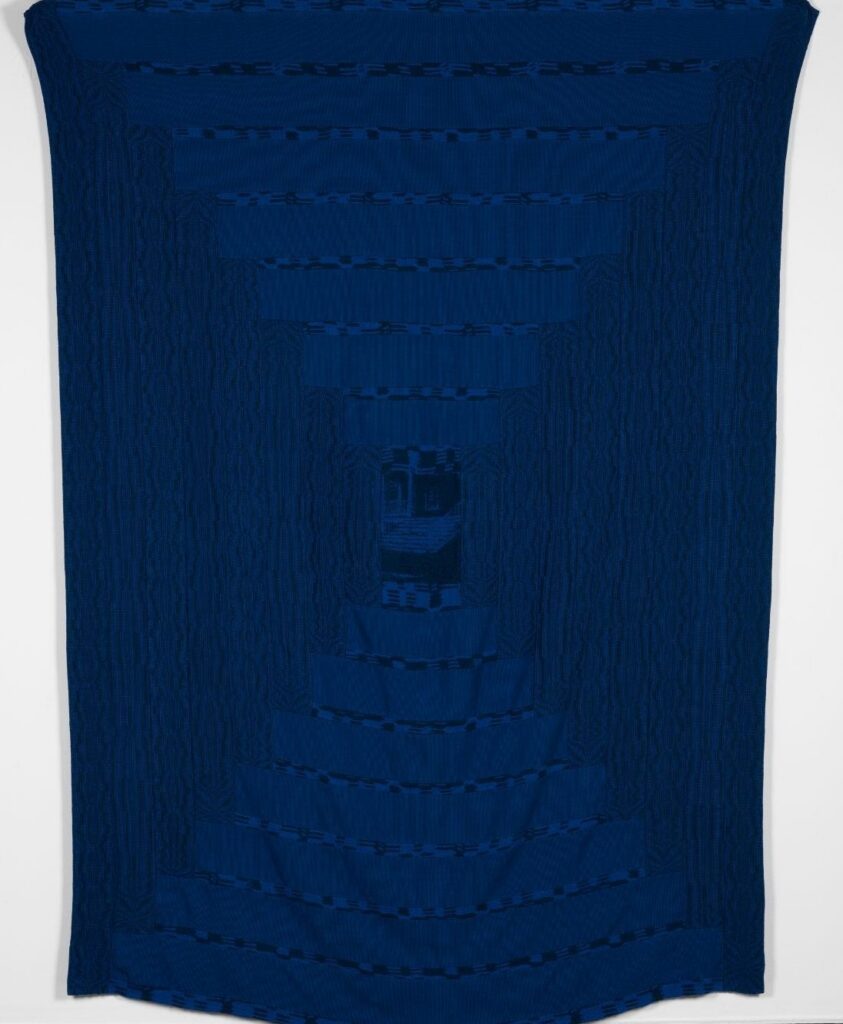
Kimberly English, Lee’s Surrender, 2024, handwoven cotton. © Kimberly English. Courtesy of the artist.

One of the most well-known weaving drafts is called Lee’s Surrender. Novelist Eliza Calvert Hall takes the perspective of talking to the draft and she’s asking it “Were you named in sorrow, or were you named in triumph?” Her writings really gave me a voice to continue the conversation about these things that exist even if the historical documentation isn’t there, and to believe the oral histories or give them a leg to stand on as I’m thinking through how they operate today.

IN WHAT WAYS DO YOUR ARTISTIC VOICE AND YOUR IDENTITY INFLUENCE EACH OTHER?

As a contemporary craftsperson born and raised in the south, I think a lot about the idea of “tradition”. My work toggles between traditional and experimental approaches to working with cloth. I find myself returning to the same questions in and outside of the studio: What has been inherited? What is worth keeping? What should be challenged?

WHAT ARE YOU LEARNING ABOUT YOURSELF THROUGH YOUR ARTISTIC PRACTICE?

I am learning how to be a friend to myself, how to ask and wrestle with hard questions, how to be content in the grey area, and how to challenge the urge for efficiency and engage with the extent of my process for as long as it may take.

Kimberly English, Tadpole Hunt, 2026, hand-dyed, handwoven cotton and wool. © Kimberly English. Courtesy Arcadia Art Consultancy.

Kimberly English, Rumble Strip, 2026, handwoven cotton and wool. © Kimberly English. Courtesy Arcadia Art Consultancy.

Related Exhibitions

Related Exhibitions

Artist Erin Canady Prefers Materials Outside of Her Control

Artist Erin Canady Prefers Materials Outside of Her Control

The Asheville-based visual artist captures the effects of time through works that include water and graphite.

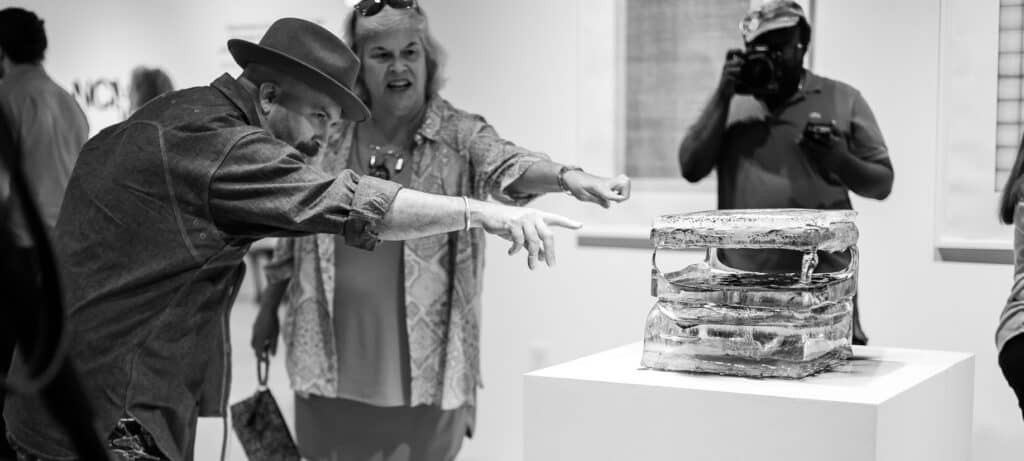
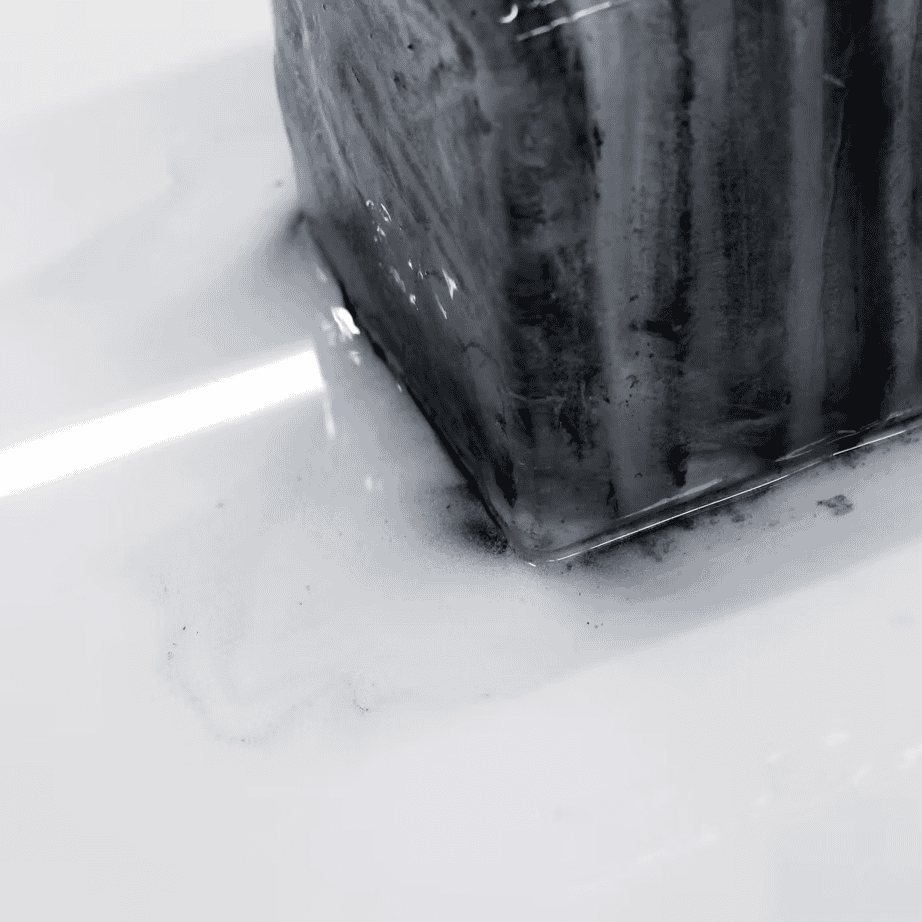
Erin Canady’s artistic practice centers on themes of temporality, meditation, ritual, and futility. She traces the visible effects of time on surfaces, bodies, and places. Canady’s work often brings together natural materials such as graphite, dirt, ice, and found fabrics, creating a reaction and releasing the materials to the passage of time. Her Temporary Objects are created by setting powdered graphite in layers of ice, where the water moves slowly across space, redrawing what it touches.

In 2008, Canady left the United States and traveled to Bangkok, Thailand, to study Buddhism at the Thammasat University. Canady often refers to the teachings of Buddhism, particularly Daoism, as driving forces in her works. Daoism focuses on simplicity, naturalness, and Wu-Wei (action through inaction), teaching followers to accept and flow with the natural order of the universe rather than struggle against it.

Find works by Canady, created by the passing of time and the inherent impermanence of the elements involved, in Process as Practice: Three Artists from Western NC at NCMA Winston-Salem Downtown from September 17 until November 29, 2026.

IN WHAT WAYS DO YOUR ARTISTIC PRACTICE AND YOUR PERSONAL IDENTITY INFLUENCE EACH OTHER?

I don’t think I could separate the two. I have always been an observer, a slow processor; it’s a big part of my identity and also my work. When I observe the world around me, what strikes me the most is how urgent and fast paced it all seems to be, and how I desperately want it to be the opposite of that. But nobody can control the ebbs and flows of the world moving around them, and I try to hold that thought with me as I walk through my daily life.

I like to play with that lack of control in my art as well, through my materials and processes. I like to use materials that have a bit of a mind of their own, water and ice, for example. I can manipulate them and use them for a drawing, but ultimately they will melt and flow in a way that I have no say over, and I love that. I can be the catalyst for the idea, and I can set boundaries for what happens, but I can’t know exactly what the final piece will look like. And I think the visuals produced require slow observation from the viewer, which also reflects how I see my own identity. 

WHAT ARE YOU LEARNING ABOUT YOURSELF THROUGH YOUR ARTISTIC PRACTICE?

Through my art practice, I am learning to appreciate the process just as much as the result (both in art making and in life). My process is my art and my art is my process, and I become more aware every day that I really can’t separate the two. Among other things, this helps me be in the moment more. It’s almost like a life-long meditation.

IF YOU FEEL STUCK CREATIVELY, WHAT DO YOU DO NEXT?

Doing anything that isn’t art related always helps me get unstuck. I get stuck when I am thinking about art too much or too deeply. My work is about the ways we move through life, so I have to move through life to feel inspired. I remember in grad school I would feel the most inspired when I was running because of how much it cleared my head. I have also felt extremely inspired when I am traveling because of the fresh perspective that brings. But even just daily life can be inspiring if I am in-the-moment enough. I hyper-focus when I am actually making art, but in order to get to that point I have to bring all of my other experiences to it.

Erin Canady, Temporary Object I, 2016, ice and graphite on wood panel. © Erin Canady. Courtesy of the artist.
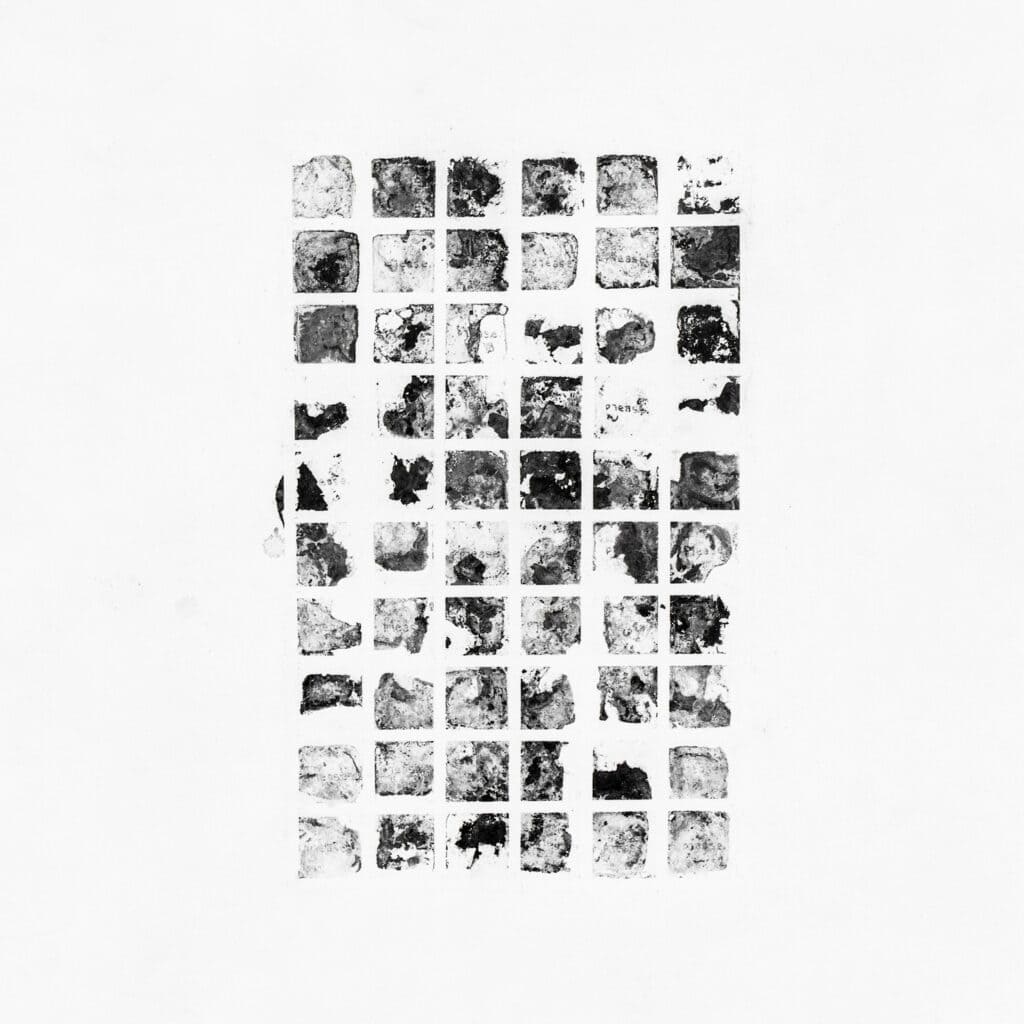
Erin Canady, (H)our 2, 2018, melted ice and graphite on paper. © Erin Canady. Courtesy of the artist.
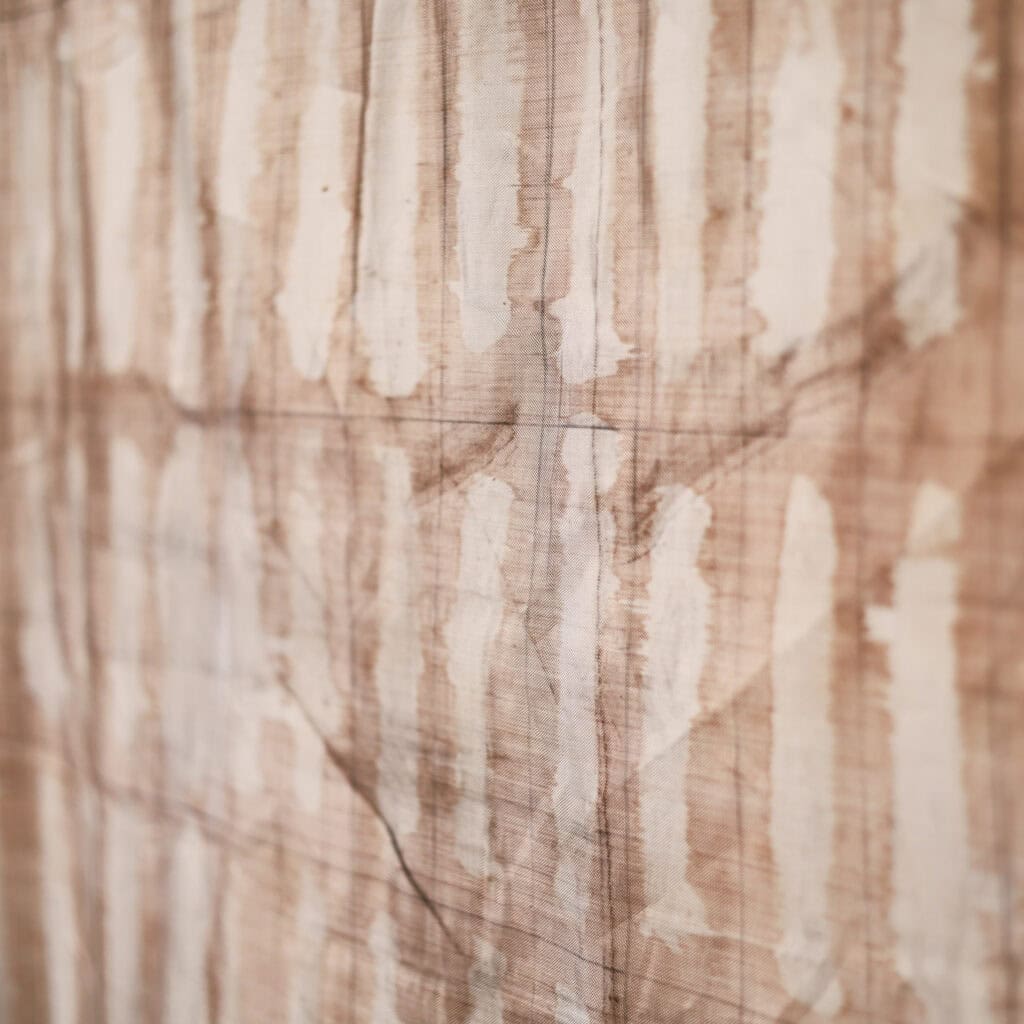
Erin Canady, Calendar, 2015, bleach and graphite on found fabric. © Erin Canady. Courtesy of the artist.

Related Exhibitions

Related Exhibitions